Strengthening Children’s Advocacy: From Research to Action

Catalina Cañizares, PhD

Disclaimer

This presnetation uses examples from Catriona Macdonald workshops on “Learning to Advocate for Childrens and Families”

Key Definitions

  • Advocacy: The act of arguing in favor of something, such as a cause, idea, or policy—raising your voice!

  • Lobbying: Any attempt to influence specific legislation by:

    • Contacting policymakers
    • Urging the public to contact policymakers
    • Supporting or opposing legislation
    • Advocating for adoption or rejection of legislation

Does Advocacy Matter? A Success Story

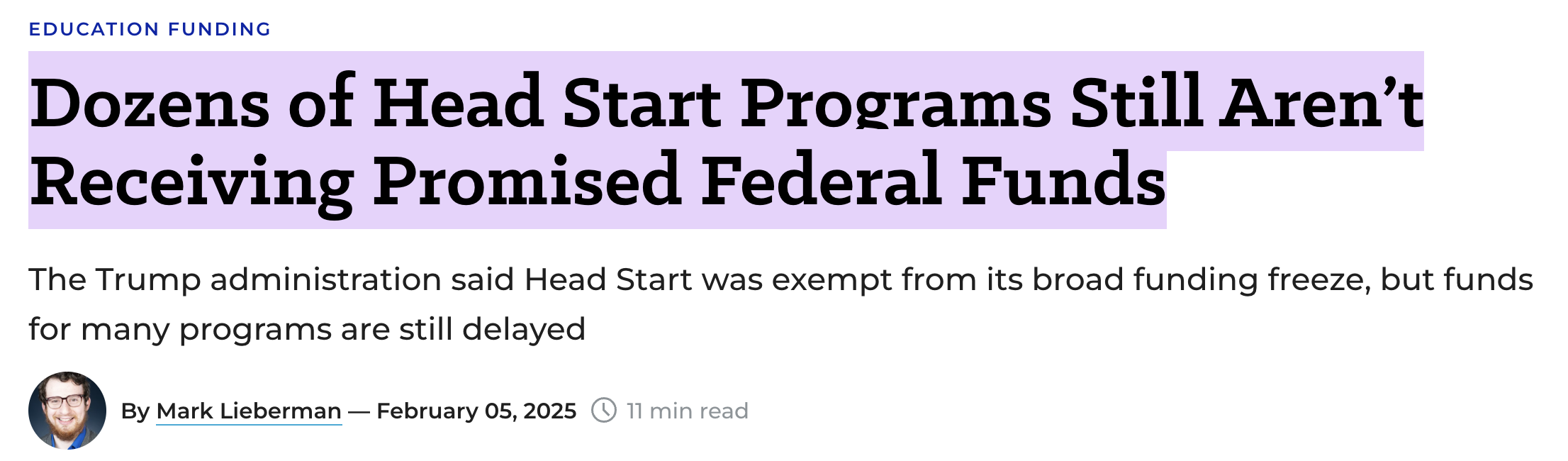
  • 2008 economic crisis

  • Head Start and child care system each received billion-dollar support

  • Initial 2-year funding period

  • Head Start advocacy groups mobilized

  • Mothers organized “Stroller Brigades” to DC

  • Met with representatives’ staff

  • Shared personal stories

  • Built grassroots momentum

  • Head Start funding maintained after 2010

  • Success attributed to organized advocacy

  • Contrast with child care system (which lacked centralized advocacy)
But, is Research Not Enough?

NO! Strong advocacy requires a combination of effective communication, persuasion, research, and mobilization.

The Advocacy Sandwich 🥪

Think of it like a peanut butter and jelly sandwich:

  • Top Slice = Messaging & Communication

  • Peanut Butter = Research & Data

  • Jelly = Advocacy

  • Bottom Slice = Persuasion

Note

Just like a sandwich needs all ingredients to be complete, effective advocacy needs all these components to succeed!

Effective Advocacy Strategies

Three key ingredients:

  1. Facts, Data, Figures

  2. Viable solutions

  3. Emotional connection through stories

Using Data Correctly

Key Principles

  • Use data accurately to maintain credibility

  • Always cite sources for verification

  • Never make claims beyond what the data supports

  • Consider margin of error in statistical data

Evaluating Data Sources

  • Government (.gov)
    • Usually reliable primary sources
    • Provides objective reports and data
  • Educational (.edu)
    • Academic institutions
    • Check for potential research bias
  • Non-profit (.org)
    • Varies in reliability
    • Research organization’s background
    • Consider potential political bias

Understanding Data Collection

  • Data typically uses sample populations
  • Samples represent larger populations
  • Consider margin of error for reliability
  • Define clear research objectives

The Power of Storytelling: Job Corps Example

  • Appropriations Committee hearing
  • Job Corps program funding
  • Five minutes to make their case
  • HR director from Roto-Rooter
  • Young man’s journey from age 13
  • Personal story of loss and transformation
  • Current success as master plumber

Let’s Try It Ourselves!

Group Activity: Advocacy Approaches

Room Division

  1. The Funders
    • Isa, Aanya, Maya, Nathan
    • Rachel, Karen, Grace
    • Nicole, Julian
  2. The Statistical Advocates
    • Group 1 participants
  3. The Storytelling Advocates
    • Group 2 participants

Each group will receive specific instructions for their role in this exercise.

Instructions for each group

  • Receive $1,000 in Monopoly money to distribute
  • Listen to both advocacy pitches carefully
  • Ask questions after each presentation
  • Discuss among themselves and decide how to allocate the funds
  • Must give money to at least one group
  • Cannot divide money equally (e.g., must do a 70/30 split if supporting both)
  • Base decision on how convincing the presentations are
  • Announce their decision and justify why they allocated the money the way they did
  • You can only use statistics to advocate for your cause. No personal stories
  • Find or create compelling data:
    • Number of homeless children
    • Education impact
    • Health statistics
    • Crime rates
  • Organize your statistics into a clear and persuasive argument
  • Present your case in 3 minutes to convince the Funders
  • You must use a personal story (real or fictional) to advocate for your cause
  • Create or find a compelling narrative of a homeless child in Illinois
  • Make the story emotional, detailed, and relatable
  • Present your case in 3 minutes to convince the Funders

Finally, a very very good example!!

Advocacy in Action: Reducing Black Youth Incarceration in NY

Jarrell Mcgee is advocating for this cause!

Note

Jarrell’s powerful statement begins at 2:02:18 in the video.

Beyond Statistics and Stories: Understanding Values

The Role of Values and Frames

  • Policy makers and community members have internalized values and frames that influence their decisions

  • Understanding these frames is crucial for effective advocacy

  • Messages must resonate with existing belief systems to be heard

For example…

Common American Values

Social Compassion

  • Helping those in need

  • Supporting community

  • Collective welfare

Individual Responsibility

  • Hard work leads to success

  • Personal accountability

  • Individual choices matter

Strategic Framing is Key

  • Individual stories can unintentionally reinforce “personal choice” narratives

  • Need to balance personal stories with systemic context

  • Frame issues to bridge different viewpoints

Example: Framing Childcare

Different perspectives:

  • Parent responsibility

  • Workforce support

  • Solution: Frame as quality education issue

    • Bridges different viewpoints

    • Appeals to shared values

    • More effective for policy change

Important

Key Takeaway: Present your perspective in a way that resonates with people who don’t share your initial viewpoint.

Key Advocacy Tools: Summary

1. Combine Facts with Stories

  • Facts alone are not enough

  • Pair data with emotional, personal stories

  • Translate statistics into relatable terms

    • Instead of: “75% lack access to quality education”

    • Say: “Only 1 in 4 children in poverty can attend quality pre-K”

2. Choose Effective Messengers

  • Messages are better received when people identify with the messenger

  • Credibility and relatability matter

  • Build trust through authentic representation

Key Advocacy Tools: Summary

3. Balance Problems with Solutions

  • Avoid overwhelming audiences with only negative information

  • Prevent compassion fatigue by showing hope

  • Demonstrate positive change and success stories

  • Always include pathways to action

4. Frame Strategically

Golden Rule of Advocacy

Present your perspective in a way that resonates with people who don’t share your viewpoint.

How Do Elected Officials Make Decisions?

They consider:

  • Impact on their constituents

  • Effect on their support base (voters, volunteers, organizations, donors)

  • Public awareness and interest

  • Their track record on the issue

  • Trusted advisors’ opinions

Campaign Contributions: The Reality

  • Money provides access and time

  • But constituency matters more!

  • Alternative ways to gain access:

    • Being an active voter

    • Community involvement

    • Requesting meetings

    • Providing valuable information

Finding the Right Officials

Know who to approach:

  • Federal Level: US Senators (funding issues)
  • State Level: State legislators (policy implementation)
  • Local Level: City councils (zoning, local regulations)

How Governors Influence Federal Policy

Governors shape federal policies through:

  • Advocacy & Lobbying
    • Work through National Governors Association (NGA)
    • Meet with Congress and President
    • Advocate for state interests
  • Implementation & Interpretation
    • Execute federal laws at state level
    • Use executive orders and agency rules
    • Allocate resources
  • Emergency & Crisis Response
    • Request federal assistance (e.g., FEMA aid)
    • Shape future emergency policies
    • Manage crisis response (e.g., COVID-19)
  • Waivers & Legal Actions
    • Seek federal requirement waivers (Healthcare, Education)
    • Challenge federal policies through lawsuits
    • Protect state interests

How Federal Policy Influences States

  • Federal grants with conditions
  • Nationwide standards enforcement
  • Agency regulations compliance
  • Federal law preemption
  • National Guard authority
  • Healthcare (Medicaid)
  • Education
  • Environmental protection
  • Labor laws
  • Immigration
  • Public safety

Federal-State Interaction Examples

Healthcare: Medicaid Expansion

  • ACA offered expansion option
  • State-by-state decisions
  • Cost vs. coverage debate
  • Federal incentives
  • Gradual adoption

Education: NCLB to ESSA

  • No Child Left Behind Act strict requirements
  • State-level opposition
  • Reform advocacy
  • Every Student Succeeds Act development
  • Increased state control

Find Your House Representative

Click here to find your representative

Find Your Senators

Advocacy Organizations

National Organizations

Research and Policy Organizations

State Level Resources

  • State affiliates of national organizations
  • State early childhood advocacy coalitions
  • Local child care resource and referral agencies

Resources for Advocacy Planning

View the guide in a new window

EXTRA

Advocacy Approaches

“We need financial support for the Head Start program focused on homeless children in NY. Thousands of children under 5 are sleeping in cars, couches, and shelters.”
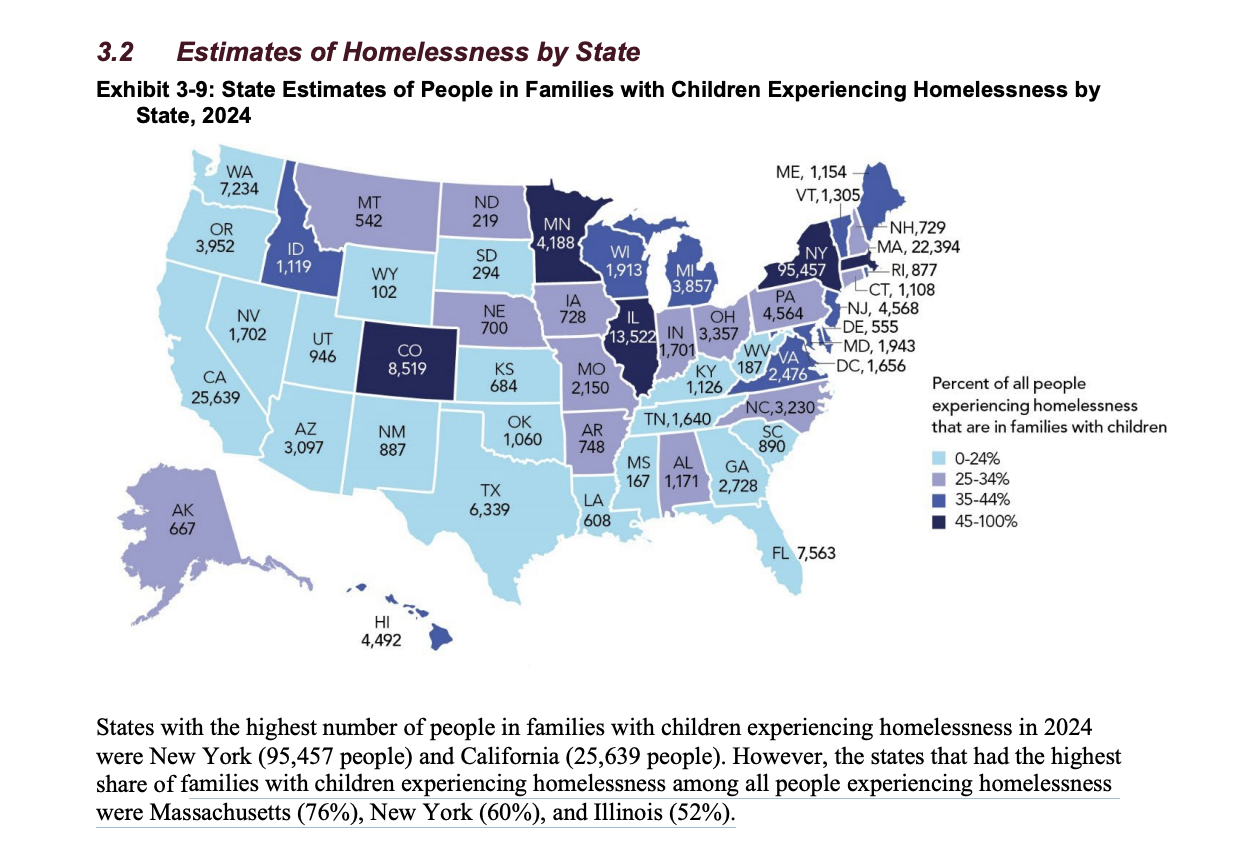
https://www.huduser.gov/portal/sites/default/files/pdf/2024-AHAR-Part-1.pdf

Why can it be less effective: - Uses general statistics

  • Lacks personal connection

  • Focuses on problems only

  • No clear outcome

  • Too abstract

“Sandra, a two-year-old girl in our Head Start program, hadn’t crawled or walked. Living homeless, her mother did everything to keep her safe. Through our program, Sandra built muscle strength and now runs and jumps like any other child. Your contribution helps Sandra and 5,000 more homeless children grow healthy and strong.”

Why can it be more effective:

  • Names a specific child

  • Tells a complete story

  • Shows clear impact

  • Combines personal story with statistics

  • Ends with hope and solution